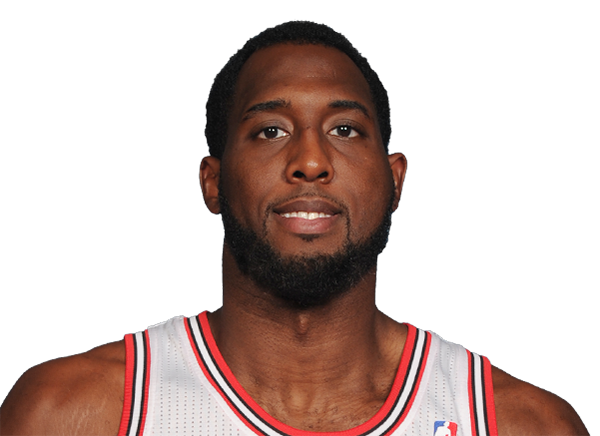

Mullins, Casspi and the downside of a longer minimum contract
It may not seem like it. It may just seem like semantics. But there can be a big, big difference between a two-year minimum salary contract, and a one-year minimum salary contract with a player option for a second season. The nature of that option year, and the level of guaranteed compensation involved, can make this difference.
To demonstrate this, take the comparable but different situations of two former coveted first round draft picks. Byron Mullens and Omri Casspi are both now onto their third NBA franchises, and both are signed to their first non-rookie scale NBA contracts. Both of these are two-year minimum salary contracts, and both are guaranteed in the first season. However, while Mullens has a player option on the second season, Casspi has only an unguaranteed contract. And this may prove costly to Casspi.
Both Casspi and Mullens find themselves in the rotations of expected conference title contenders. Both are coming off poor previous seasons, yet are capable of more than they have previously shown. Both now have the opportunity, with the exposure that these minutes on competitive teams offer, to really show something, to prove their redemption, and to significantly increase their value in the future. But only one of them will have the opportunity to capitalise.
For Mullens, if he plays his way into a bigger contract, he can go and get it. The player option season is security for him in case of disaster, such as suffering a significant injury this season, or a large number of DNP-CD's. Should they not happen, and Mullens performs well, the player option is also a means to ensure he hits the market and can capitalise. As the name suggests, the player option gives the power and leverage to the player. The team hardly loses out - if things go well, and Mullens leaves for pastures now, they nonetheless still had a discounted player for a season.
Read full article
To demonstrate this, take the comparable but different situations of two former coveted first round draft picks. Byron Mullens and Omri Casspi are both now onto their third NBA franchises, and both are signed to their first non-rookie scale NBA contracts. Both of these are two-year minimum salary contracts, and both are guaranteed in the first season. However, while Mullens has a player option on the second season, Casspi has only an unguaranteed contract. And this may prove costly to Casspi.
Both Casspi and Mullens find themselves in the rotations of expected conference title contenders. Both are coming off poor previous seasons, yet are capable of more than they have previously shown. Both now have the opportunity, with the exposure that these minutes on competitive teams offer, to really show something, to prove their redemption, and to significantly increase their value in the future. But only one of them will have the opportunity to capitalise.
For Mullens, if he plays his way into a bigger contract, he can go and get it. The player option season is security for him in case of disaster, such as suffering a significant injury this season, or a large number of DNP-CD's. Should they not happen, and Mullens performs well, the player option is also a means to ensure he hits the market and can capitalise. As the name suggests, the player option gives the power and leverage to the player. The team hardly loses out - if things go well, and Mullens leaves for pastures now, they nonetheless still had a discounted player for a season.